Interior Designers Near Dwarka Expressway: What to Ask Before You Sign
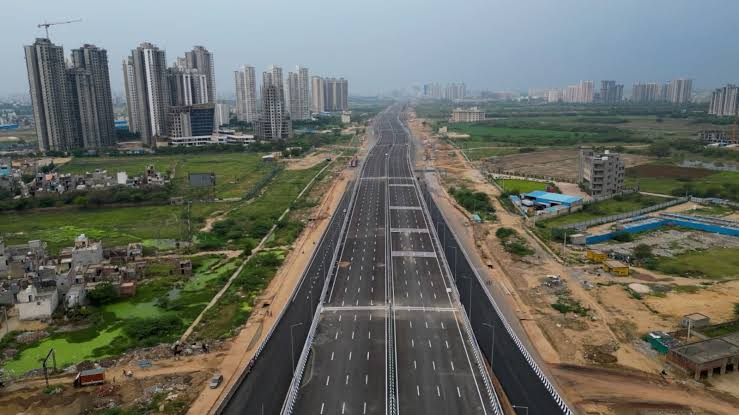
If you've started looking for an interior designer for your new home on Dwarka Expressway, you've probably noticed how crowded the space suddenly is. Between Sobha City, M3M Golf Estate, Signature Global City, Godrej Meridien, and Elan all handing over possession around the same time, there's a genuine flood of homeowners searching for designers right now — and the market has responded with everyone from well-established Gurgaon firms to a guy who does great work but runs the whole thing off a personal WhatsApp number.
More options isn't a bad thing. But it does mean the usual shortcuts — going with whoever a neighbour used, or whoever quoted the lowest number — are riskier here than they'd be in a more settled market. A vague quote or a fuzzy timeline can quietly turn into eight months of back-and-forth and a bill that's 30% higher than what you agreed to.
So before you sign anything, ask these questions. Most of them take thirty seconds to answer if the designer actually knows their business.
Have they worked in your specific project before?
This one matters more here than in most parts of NCR, because every project on Dwarka Expressway has its own quirks. Ceiling heights differ, electrical layouts aren't standardised across builders, some towers still have phased possession with strict material-movement timings, and a few societies are fairly particular about renovation hours.
A designer who's already done a home in your tower — or even just your project — will know which walls are actually load-bearing versus which are drywall partitions dressed up to look structural. They'll know the builder's standard electrical points before they even walk in. They'll know if your society charges a renovation deposit, and how long the lift booking process usually takes.
Ask for one or two completed projects in your development specifically, with photos, and a phone number for a client you can actually call.
Is the quote broken down, or is it one number?
"₹3.5 lakh for the full home" sounds simple, but it tells you almost nothing. What you want is a number by room, and within that, a number by material and finish — plywood grade, laminate versus PU versus acrylic, hardware brand, labour separated from material cost.
This is honestly the single biggest thing to push on. Bundled, vague quotes are where almost every cost-overrun story in Gurgaon starts. If someone gets defensive when you ask for a breakdown, that's worth noticing — a designer confident in their pricing usually has no problem showing you the math.
What's not in the price?
Nearly every quote has exclusions somewhere — civil work, false ceiling wiring, AC ducting, curtains, appliances. Get the list in writing before work starts, not three weeks in when the electrician mentions casually that the wiring wasn't included. This one question alone prevents most of the "the final bill was way higher than quoted" complaints people post about after the fact.
How does the payment schedule actually work?
A reasonable structure ties payments to visible progress — a booking advance, a payment once material is procured, another after carpentry is done, and the balance on handover. If someone's asking for 60-70% of the total before any real work has started, slow down and ask why.
Also worth asking upfront: if a milestone slips, does the payment schedule still hold, or does it shift with it?
What's the real timeline — and what usually causes delays?
Most 2-3BHK projects here run 45-75 days once the design and material are locked in, though that varies with scope. Rather than accepting a round number, ask what the breakdown looks like — how long from finalising the design to ordering material, how long for carpentry, what typically eats into that timeline (material stock issues, approvals, custom pieces with long lead times).
Anyone who gives you an unusually optimistic timeline without mentioning what could go wrong is often more focused on closing the sale than managing what you should actually expect.
Who's actually on site, and how often?
It's worth asking directly whether the person selling you the project is the same person supervising it, or whether execution gets handed off to a team you've never spoken to. Ask how often site visits happen and whether they're scheduled or occasional, and how you'll actually hear about problems — a call, a WhatsApp photo, a report, or nothing until you follow up.
Given how spread out this corridor is, some firms based elsewhere in Gurgaon or Delhi simply won't be on-site as often as a team based closer to the expressway. Worth asking where their team actually operates from and how fast they can get to your site if something needs attention.
What does the warranty actually cover?
"We give a warranty" can mean a lot of different things depending on who's saying it. Some firms only cover manufacturing defects on modular units; others include hardware, labour, even minor civil work. Ask how many years, on exactly what, and whether it's written into the contract or just something they said out loud during the pitch. And ask what happens practically — do they still take your call eight months after handover if a hinge fails?
Can you see the design before anything's ordered?
You shouldn't be signing off on a kitchen layout based on someone describing it to you. Ask for 3D renders or proper working drawings with measurements before material gets ordered — it's a lot cheaper to change your mind on a screen than after the wardrobe's already installed.
What materials and brands, specifically?
Get actual brand names — for plywood, laminate, hinges and channels, electrical fittings — not just categories like "branded plywood," which could mean almost anything. Two quotes at the same price point can be using very different quality materials underneath. Vagueness here is usually a sign to ask more questions, not fewer.
What happens if you want to change something mid-project?
Changes happen — that's normal. What matters is whether the process for handling them is clear from the start: how a change gets priced, how it's documented, and roughly how much delay it tends to add.
Can you actually talk to past clients?
Photos can be curated and reviews can be selective. Ask for two or three past clients, ideally from projects near yours, that you can call directly — and ask them about the parts that don't show up in a portfolio: cost overruns, delays, how support was after handover.
Before you sign, get these in writing
- An itemised quote with materials and brands named
- A clear list of what's excluded
- A payment schedule tied to milestones
- A realistic timeline with the dependencies spelled out
- Warranty terms — duration and exact coverage
- 3D designs or drawings you've actually approved
- Contact for at least one verifiable past client nearby
Looking for an interior designer near Dwarka Expressway who's upfront about costs, timelines, and what's actually included? Book a free consultation with Decor Rich Interiors — we'll walk you through an itemised quote before you decide anything.